The Art of Continuity: How a New Generation of Jewelers Is Giving Family Heirlooms a Second Chapter
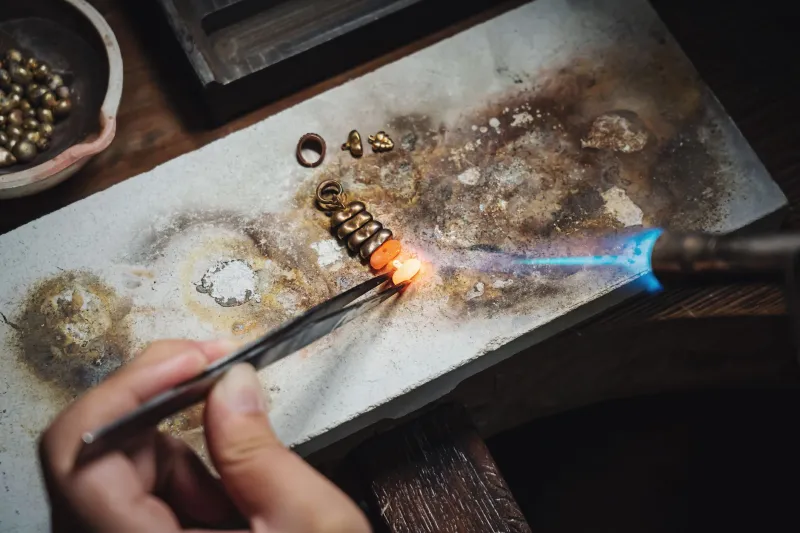
Not every heirloom arrives in perfect condition. Not every piece inherited from a previous generation fits the aesthetic, the lifestyle, or even the finger of the person who receives it. For decades, the American response to this mismatch was largely binary: wear it as-is, or store it indefinitely in a velvet pouch at the back of a drawer, visited occasionally by guilt and nostalgia in equal measure.
A third option has been quietly gaining prominence among discerning collectors and their families—one that requires neither resignation nor abandonment. It is the considered redesign: a process through which a piece's physical form is transformed while its emotional and historical significance is not merely preserved but actively honored. And the craftspeople leading this practice are drawing on two of the world's most exacting jewelry traditions to do it.
Why Heirlooms Go Unworn
The reasons a family piece falls out of active use are varied and rarely reflect a failure of sentiment. A diamond cluster ring in a Victorian setting may be structurally sound but visually incompatible with how its inheritor actually dresses. A platinum brooch of genuine craftsmanship has no natural home in a wardrobe that has never included a lapel. A strand of pearls knotted in a style fashionable in 1965 may feel costumed rather than elegant to a woman in her thirties today.
In each case, the material value is present. The emotional connection is present. What is absent is a design vocabulary that allows the piece to participate in contemporary life. This is where the redesign conversation begins—not with an appraisal, but with a story.
The Conversation Before the Craft
The jewelers who practice heirloom redesign at the highest level share a common starting point: they listen before they draw. Understanding why a piece matters—who wore it, on what occasions, what it represented within the family's history—is not sentimental preamble. It is essential technical information.
A grandmother's engagement ring that was worn every day for fifty years carries a different redesign logic than a brooch worn once at a daughter's wedding. The former may have stones that deserve to be elevated into a form that will similarly become a daily companion. The latter may lend itself to something more ceremonial—a pendant that appears at significant moments rather than mundane ones. The history of the piece informs the intention of its next form.
This approach reflects something deeply embedded in Japanese craft philosophy: the understanding that an object's context is inseparable from its meaning. To strip a piece of its history in pursuit of novelty would be to destroy precisely what makes it worth transforming. The goal is not to make something new. It is to make something that carries the old forward.
Where Italian Design Sensibility Enters
If Japanese tradition provides the ethical framework for heirloom redesign—the reverence for material and narrative continuity—Italian design sensibility provides the aesthetic vocabulary for what the transformed piece becomes.
Italian jewelry design has always excelled at what might be called generous modernity: a willingness to embrace bold proportion, sculptural form, and confident material relationships without sacrificing wearability. When an inherited diamond of unusual character is liberated from an outdated setting and placed within a contemporary Italian-influenced mount, it does not lose its identity. It finds a new one that allows it to be seen—genuinely seen—for the first time in a generation.
This is the specific alchemy that the best redesign jewelers achieve: a final piece that is unmistakably of the present while remaining, in its materials and its spirit, connected to the past.
Practical Considerations for Families
For those considering an heirloom redesign for the first time, the process benefits from careful preparation. Before any design conversation begins, a thorough assessment of the existing piece is essential—not merely its gemological specifications, but its structural integrity, the character of its stones, and any existing repairs or alterations that may affect what is possible.
It is equally important to involve other family members in the decision, particularly when a piece holds significance for multiple people. A redesign that one sibling experiences as an act of renewal may feel to another like a loss. These conversations, though occasionally difficult, are a necessary part of the process—and a skilled craftsperson will often facilitate them as naturally as they facilitate the design dialogue itself.
Finally, families should understand that documentation is part of the redesign. Photographs of the original piece, written records of its provenance, and a clear account of the design decisions made during the transformation process all contribute to the new object's historical richness. The story does not end with the redesign. It gains a new chapter.
The Piece That Becomes Possible
There is a particular satisfaction that belongs exclusively to the wearer of a redesigned heirloom—one that no newly purchased piece, however exceptional, can replicate. It is the knowledge that what rests at the collarbone or circles the wrist carries within it something irreplaceable: the specific gravity of a life already lived, transformed by craft and intention into a form that can accompany a new life just beginning.
An unworn piece is a story interrupted. Redesign, practiced with the rigor and respect it demands, is the act of turning the page.