The Intelligent Heirloom: Why Millennial Investors Are Turning to Fine Jewelry as a Store of Lasting Wealth
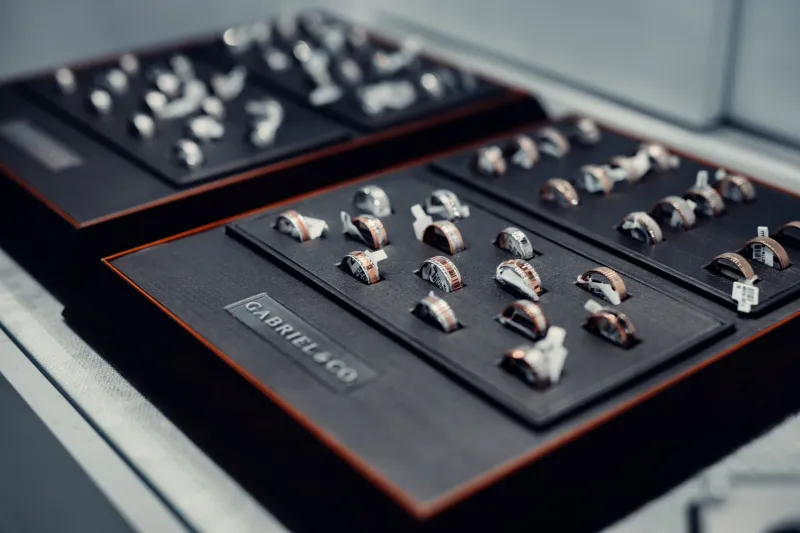
The conversation around alternative investments has grown considerably more sophisticated in recent years. Digital assets, rare whiskey, vintage timepieces, contemporary art—younger affluent Americans have demonstrated a consistent appetite for assets that exist outside the conventional equity and fixed-income framework. Fine jewelry, long considered the province of inheritance rather than acquisition strategy, has arrived at this table with compelling credentials.
This is not a fringe development. The global secondary market for luxury jewelry has expanded substantially over the past several years, driven in part by improved authentication infrastructure, the mainstreaming of resale platforms catering specifically to high-end goods, and a generational shift in how wealth is conceptualized. For a cohort that came of age during the 2008 financial crisis and has navigated two decades of market volatility, the appeal of assets with intrinsic material value and demonstrable historical resilience is entirely rational.
Understanding the Asset Case
Before examining how fine jewelry functions as an investment vehicle, it is worth being precise about what distinguishes pieces with genuine long-term value potential from those that merely carry a high price tag at retail.
The variables that matter most to financial advisors and serious collectors align closely: material integrity, maker provenance, rarity, and condition. Gold and platinum maintain intrinsic commodity value independent of any aesthetic considerations. Exceptional stones—particularly colored stones of significant provenance—have demonstrated consistent appreciation in auction results over decades. But it is the third variable, maker provenance, that increasingly separates pieces with investment-grade potential from those without it.
Heritage brands with documented histories of exceptional craftsmanship command premiums in the secondary market that reflect not merely name recognition but verifiable quality standards. A piece from a workshop with a traceable lineage, consistent material specifications, and a reputation built over generations carries a different risk profile than one whose provenance is ambiguous. This is where the intersection of Japanese precision and Italian craftsmanship tradition—the dual heritage that defines Anelli Nagaoka's perspective—becomes directly relevant to the investment conversation.
The Provenance Premium
Among the financial advisors who work with high-net-worth millennial clients, provenance has become a recurring theme. The ability to document a piece's origin, authenticate its materials, and trace its ownership history is no longer merely a matter of connoisseurship—it is a financial asset in its own right.
The resale market has responded accordingly. Platforms specializing in pre-owned luxury jewelry have invested heavily in authentication infrastructure, partnering with gemological laboratories and independent appraisers to provide the kind of documentation that serious buyers require. The result is a secondary market that increasingly resembles, in its rigor and transparency, the market for authenticated fine art.
For buyers entering this market, the practical implication is clear: documentation should be treated as part of the asset. Original certificates of authenticity, gemological reports from recognized laboratories such as the GIA or AGL, and records of any significant provenance—prior ownership by notable collectors, exhibition history, period of manufacture—all contribute to resale value in ways that are quantifiable.
Sustainability as a Value Driver
Among younger collectors specifically, the environmental and ethical dimensions of jewelry acquisition are not peripheral concerns. They are central to purchasing decisions in ways that previous generations of luxury consumers did not prioritize with the same consistency.
The pre-owned market addresses these concerns directly. Acquiring an authenticated piece from the secondary market eliminates the environmental footprint associated with new mining and manufacturing. It extends the useful life of materials and craftsmanship that have already been brought into existence. And it participates in a circular economy model that is increasingly aligned with the values of millennial and Gen Z wealth holders.
This sustainability dimension is not merely philosophical—it has measurable market implications. As ESG considerations continue to influence investment decisions at institutional and individual levels, assets that can demonstrate responsible provenance and circularity may carry advantages that are difficult to quantify today but are likely to become more explicit over time.
Building a Collection with Financial Intelligence
For those approaching fine jewelry as a component of a diversified asset strategy, a structured acquisition framework is essential. The following principles reflect both established collector wisdom and emerging market dynamics.
Prioritize depth over breadth. A smaller number of exceptional pieces from verifiable makers will consistently outperform a larger collection of middling quality in the secondary market. The temptation to diversify across many pieces at moderate price points is understandable but often counterproductive from an investment standpoint.
Understand the liquidity profile. Fine jewelry is not a liquid asset in the way that publicly traded securities are. Achieving optimal value at resale requires time, the right market conditions, and access to appropriate channels—auction houses, specialist dealers, or established resale platforms. Collectors who may need to convert holdings quickly should factor this into their planning.
Document everything. Certificates, appraisals, photographs, and any available provenance documentation should be maintained meticulously. This material is not administrative overhead—it is a component of the asset's value.
Consider wearability as a holding cost. Unlike many alternative assets, fine jewelry can be worn and enjoyed during the holding period without diminishing its value, provided it is maintained appropriately. This enjoyment factor is genuinely relevant to the total return calculation, even if it resists precise quantification.
Focus on craftsmanship traditions with documented longevity. Pieces that represent the intersection of enduring craft traditions—Japanese metalworking precision, Italian goldsmithing heritage—have a built-in narrative that resonates with buyers across generations and geographies. This narrative is not merely aesthetic; it is a component of market positioning.
The Secondary Market Landscape in 2024 and Beyond
The infrastructure supporting the fine jewelry secondary market has matured considerably. Major auction houses including Christie's, Sotheby's, and Bonhams have expanded their jewelry departments and increased the frequency of dedicated sales. Specialist resale platforms have developed authentication protocols that provide buyers with meaningful assurance. And the broader cultural normalization of pre-owned luxury—accelerated by the success of resale markets in adjacent categories such as watches and handbags—has reduced the stigma that once attached to secondary market acquisition.
For millennial investors, this represents an opportune moment. The market infrastructure is increasingly robust; the sustainability narrative is aligned with generational values; and the combination of material intrinsic value with craftsmanship provenance offers a compelling case for long-term appreciation.
At Anelli Nagaoka, we have always believed that the finest jewelry occupies a unique position in the hierarchy of objects: it is simultaneously intimate and enduring, personal and transferable, beautiful in the present and valuable across generations. The investment conversation does not diminish this. It simply acknowledges what discerning collectors have understood for centuries—that exceptional craftsmanship, honestly made and carefully preserved, is one of the most reliable stores of value the material world offers.